Understanding the NFL Salary Cap: A Fan’s Simple Guide
What is the NFL Salary Cap?
The NFL salary cap is a financial mechanism used by the National Football League to ensure competitive balance among teams. Instituted in 1994, the salary cap limits the total amount of money that can be spent on player salaries in a given season. This cap exists as part of the Collective Bargaining Agreement (CBA) between the NFL and the NFL Players Association (NFLPA), with specific guidelines established for its operation.
How Does the Salary Cap Work?
-
Definition of the Cap: The cap is defined by revenue generated by the league, encompassing television contracts, ticket sales, merchandise, and other income streams. Each team’s salary cap is determined based on a percentage of this total revenue.
-
Annual Adjustments: The cap is adjusted annually, typically announced during the NFL Scouting Combine in late February. For instance, the salary cap for the 2021 season was set at $182.5 million, a decrease from 2020 due to the pandemic’s impact on revenues.
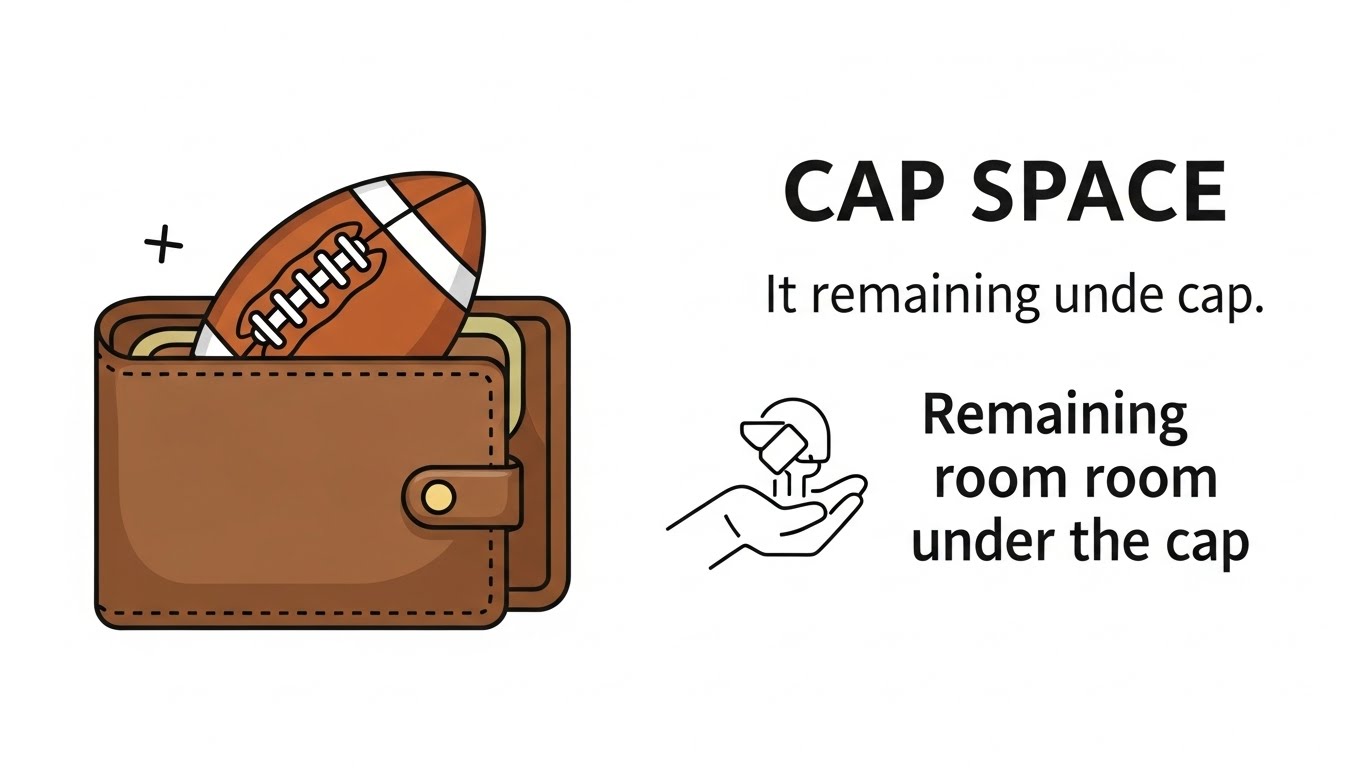
- Cap Space: Each team evaluates its cap space, which is the remaining money that can be spent on player salaries after accounting for existing contracts. Understanding cap space is essential for teams that wish to sign new players or extend current contracts.
Salary Cap Calculations
-
Base Salary: Player contracts consist of base salary, bonuses, and incentives. The base salary contributes directly to the salary cap.
-
Signing Bonuses: A signing bonus is a form of upfront payment. When a player receives a signing bonus, it can be prorated over the length of the contract (up to five years). This means a player with a $10 million signing bonus on a five-year contract would count $2 million against the cap each year.
-
Dead Money: If a player is released or retires before their contract is complete, they may incur “dead money.” This happens when the proration of their signing bonus still counts against the team’s cap. Managing dead money efficiently can impact future cap space and roster decisions.
- Performance-Related Bonuses: Bonuses for hitting performance milestones (e.g., Pro Bowl selections, yardage milestones) can also affect a player’s cap impact. These bonuses are classed as “likely to be earned” or “not likely to be earned,” influencing how they count against the cap.
Key Terms Related to the Salary Cap
-
Carryover Cap: Teams can carry over unused salary cap space from one season to the next, providing additional flexibility for future roster moves.
-
Franchise Tag: Teams can designate a player as a franchise player, which allows them to retain the player’s rights for one year at a predetermined salary level, usually calculated as the average of the top five salaries at that player’s position.
- Restricted Free Agency: When a player’s contract expires, they become a restricted free agent. The original team can offer a qualifying offer, allowing them to match any offers from other teams or receive draft pick compensation.
Strategies for Managing the Salary Cap
-
Contract Restructuring: Teams often renegotiate contracts to convert base salary into signing bonuses. This strategy can create immediate cap space while ensuring the player remains under contractual obligation.
-
Roster Moves: Cutting veterans or trading players can free up cap space. Teams must balance emotional connections and on-field contributions with financial realities.
-
Drafting and Development: Investing in the draft can yield cost-effective players in key positions, allowing teams to allocate cap resources to other areas. Rookie contracts are significantly less expensive, generally structured around a four-year scale.
- Free Agency Strategy: Free agency can bolster rosters but comes at a premium cost. Teams must weigh their needs against potential cap impacts when pursuing high-profile free agents.
The Impact of the Salary Cap on the NFL
-
Competitive Balance: The salary cap fosters competitive balance, ensuring that teams with less market revenue can still compete with wealthier franchises by limiting spending disparities.
-
Team Strategy: Front offices must navigate the complexities of the salary cap, making shrewd decisions that consider long-term implications as well as immediate needs.
-
Player Movements: The salary cap leads to increased player movement; teams seeking cap relief may release or trade players, affecting team chemistry and on-field dynamics.
- Market Dynamics: As contracts escalate, the cap ceiling rises, altering the landscape of player salaries. This environment creates opportunities for negotiations and potential disparities in contract valuation.
Frequently Asked Questions
-
What happens if a team exceeds the salary cap?
If a team exceeds the salary cap, they face penalties, which may include fines and loss of draft picks. The league monitors compliance closely, and teams must use discipline in their financial operations. -
Can the salary cap be modified?
The salary cap is part of the CBA, and significant changes require negotiations between the NFL and the NFLPA. The 2020 pandemic resulted in temporary adjustments, showcasing the cap’s flexibility amidst unforeseen circumstances. -
Why are some teams able to spend more than others?
Teams with larger market sizes often generate more revenue, which translates to a higher salary cap. However, the defined cap structure equalizes spending potential, allowing lower-revenue teams to compete effectively. - Are there any exceptions to the salary cap?
Yes, certain exceptions, such as the “injury exception” and “minimum salary cap,” allow teams to circumvent some cap restrictions, providing additional flexibility in roster management.
Conclusion
Understanding the NFL salary cap is crucial for fans who want to grasp the intricacies of player movement, team strategies, and the financial landscape of professional football.