Understanding Basketball Rules
Basketball is a fast-paced, dynamic sport played between two teams. Each team aims to score points by shooting a basketball through the opposing team’s hoop. Understanding the fundamental rules of basketball is essential for both players and spectators.
Basic Rules
- Game Duration: A standard professional game consists of four quarters, each lasting 12 minutes. College games typically have two 20-minute halves.
- Scoring: Points are scored by shooting the basketball into the opponent’s hoop. A shot made from within the three-point arc earns two points, while shots made from beyond the arc earn three points. Free throws, awarded after certain fouls, are worth one point each.
- Dribbling: Players must dribble the ball—bounce it while moving. If a player stops dribbling and then begins again, it is considered a double dribble and results in a turnover.
- Violations: Common violations include traveling (moving without dribbling), double dribbling, and stepping out of bounds. Violations result in a turnover, giving the ball to the opposing team.
- Fouls: Personal fouls occur when a player makes illegal physical contact. Accumulating five fouls in college/NCAA or six in the NBA leads to fouling out of the game.
Team Composition
In basketball, each team varies in the number of players. Typically, a team consists of 15 players, but only five are allowed on the court at any given time. Substitutions can occur during stoppages in play.
Positions in Basketball
Basketball positions determine player roles and responsibilities. Here are the five main positions:
-
Point Guard: Often considered the ‘floor general,’ the point guard is responsible for directing plays and facilitating the offense. They excel in ball handling, decision-making, and distributing the basketball.
-
Shooting Guard: Primarily responsible for scoring, shooting guards are often strong shooters from long-range and proficient in mid-range scoring. They should possess good defensive skills as well.
-
Small Forward: Small forwards are versatile players who can score from the perimeter and drive to the basket. They balance skills between scoring and defending, often defending against opposing forwards.
-
Power Forward: Typically playing near the basket, power forwards are responsible for scoring in the post and grabbing rebounds. They need to have a combination of strength and skill to score both inside and outside.
- Center: The center is usually the tallest player on the team, positioned near the basket. Their primary responsibilities include scoring through post plays, rebounding, and shot-blocking. Centers often dictate inside presence and play a significant role in defensive plays.
Gameplay Rules
-
Starting the Game: The game begins with a jump ball at center court, where the referee tosses the ball into the air, and players from each team jump for possession.
-
Shot Clock: Teams have a limited time to attempt a shot, known as the shot clock. In the NBA, it is 24 seconds, while college basketball has a 30-second shot clock.
-
Overtime: If the game is tied at the end of regulation, overtime periods are played. In the NBA, overtime lasts for 5 minutes.
-
Free Throws: Free throws are awarded after specific fouls. The player takes a shot without any defender present, and successful free throws are counted as points.
- 3-Point Line: The three-point line delineates areas on the court that indicate whether a shot is worth two or three points. Shots made from behind this line count as three points.
Personal Fouls and Team Fouls
Players can commit personal fouls throughout the game. A team accumulates team fouls, which affects the free throw situation. After a certain number of team fouls in a quarter, the opposing team is awarded free throws. In the NBA, the bonus rule kicks in after the fifth team foul in a quarter.
Game Violations
There are several common violations in basketball, including:
- Traveling: Moving with the ball without dribbling, called traveling, leads to a turnover.
- Double Dribbling: If a player stops dribbling and then resumes, it results in a turnover.
- Goal-Tending: Interfering with a shot on its way to the basket or after it has begun to descend is illegal and results in points awarded to the shooting team.
- Backcourt Violation: Once the offensive team crosses the mid-court line, they cannot return to the backcourt.
- Shot Clock Violation: Failing to attempt a shot within the allotted shot clock time results in a turnover.
Defensive Rules
On defense, players must ensure they do not commit fouls while attempting to block or challenge shots. They are allowed to use their bodies to create space and prevent offensive players from scoring but must do so within legal bounds.
Strategies and Plays
Teams employ various strategies and plays depending on their strengths and opponent weaknesses. Common strategies include pick and roll, isolation, fast break, and zone defense. Understanding the nature of these plays enhances gameplay and improves team effectiveness.
Basketball Equipment
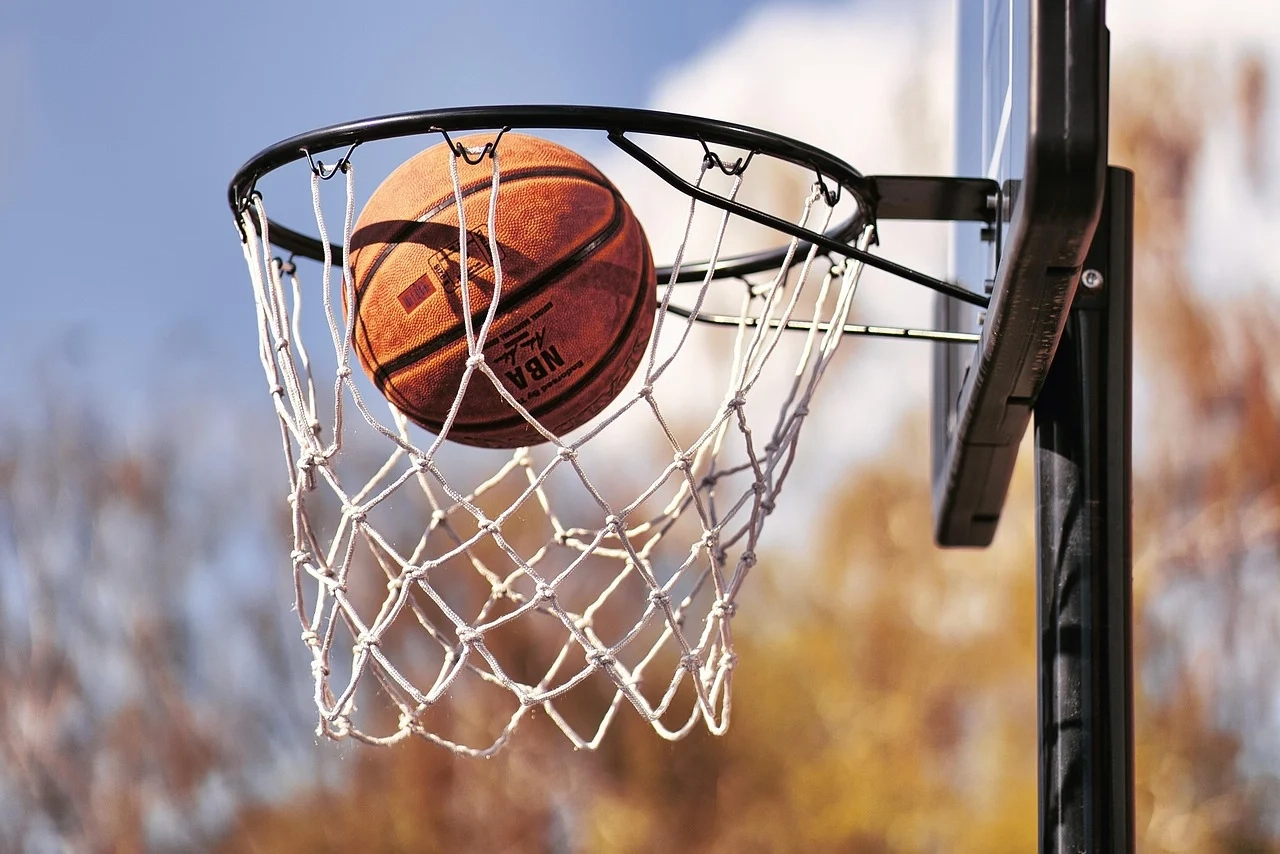
Essential equipment includes the basketball itself, the hoops, nets, and a properly marked court. Players often require basketball shoes designed for support and grip on the court. Safety gear, such as mouthguards, is recommended.
Conclusion of Rules Overview
Mastering basket rules and positions can significantly enhance one’s understanding and enjoyment of the game. Whether coaching, playing, or watching, familiarity with how the game flows will deepen the engagement and appreciation of basketball as a sport. Understanding positional responsibilities allows teams to maximize their strengths through cohesive teamwork on the court.