
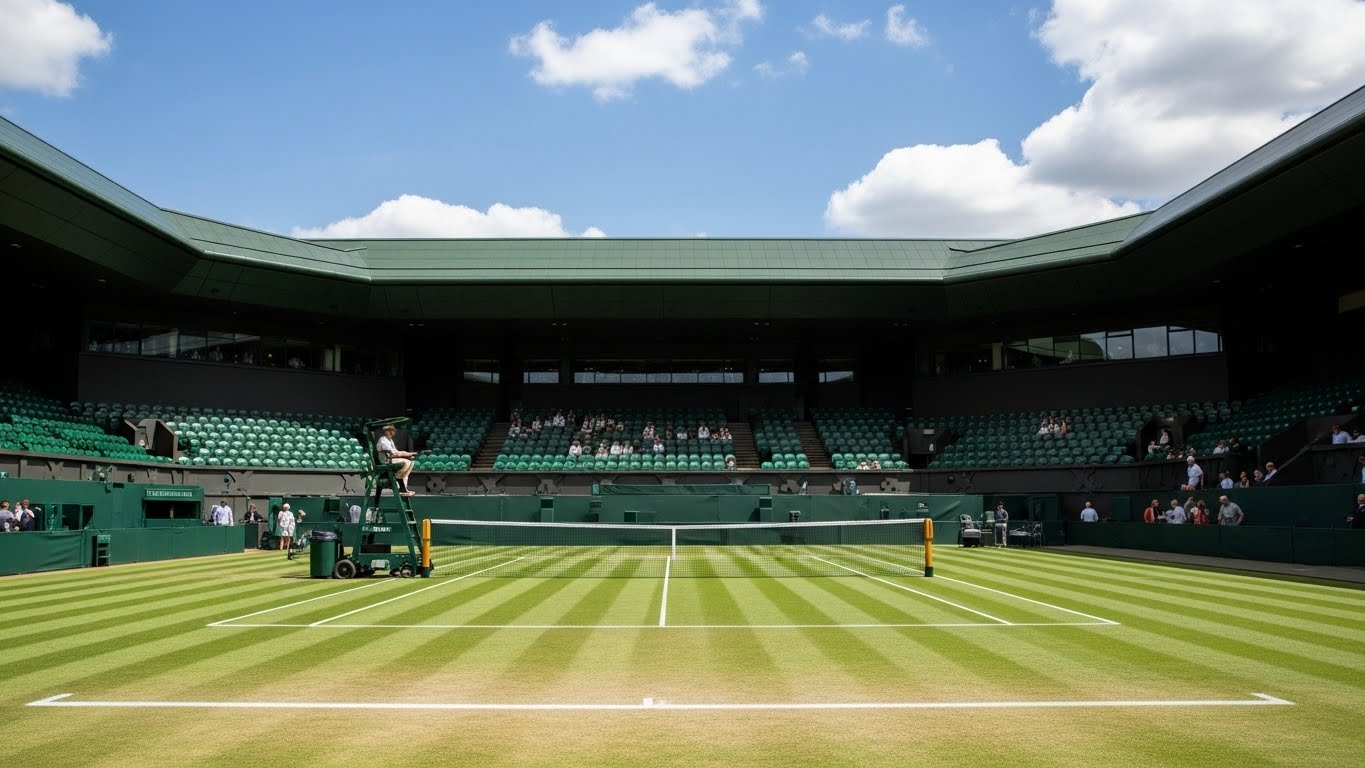
The Australian Open: Tradition Meets Innovation
History and Significance
The Australian Open, known as the “Happy Slam,” has a rich history, beginning in 1905. Initially held on grass, it has evolved over the decades, transforming itself into a hard court tournament that attracts players and fans from around the globe.
Records and Achievements
Novak Djokovic holds the record for the most titles, with ten wins as of 2023. Serena Williams, with her seven titles, stands as a dominant figure in the women’s game. The tournament is also known for its surprises; in 1973, a lesser-known player, Mary Ann Eisel, shocked the sports world by winning the title.
Fan Experience
The Australian Open is celebrated for its vibrant atmosphere. The tournament is hosted at Melbourne Park, featuring the distinctive Rod Laver Arena, equipped with a retractable roof. Fans enjoy a plethora of entertainment, including live music, gourmet food options, and interactive experiences, ensuring a festival-like environment.
The French Open: Clay Court Majesty
History and Significance
Established in 1891, the French Open, or Roland Garros, is the premier clay court tournament in the world. It became an international event in 1925, allowing foreign players to participate, transforming the competitive landscape.
Records and Achievements
Rafael Nadal, known as the “King of Clay,” boasts an unparalleled 14 titles, demonstrating dominance on the red dirt. In women’s tennis, Chris Evert and Margaret Court each have seven titles. The tournament is also unique in its scoring system, which can lead to longer matches and dramatic shifts in momentum.
Fan Experience
Roland Garros is situated in the picturesque Bois de Boulogne, creating an enchanting backdrop. The atmosphere is characterized by a mix of elegance and passion, with fans enjoying private picnics and the historic charm of the iconic Philippe Chatrier Court. The ambiance combines tradition with modern amenities, enhancing the viewing experience.
Wimbledon: The Quintessential Grand Slam
History and Significance
Wimbledon, founded in 1877, is the oldest tennis tournament in the world. Known for its strict traditions, including a predominantly white dress code and the absence of sponsor logos, Wimbledon is often referred to as the pinnacle of tennis prestige.
Records and Achievements
In men’s singles, Roger Federer, Pete Sampras, and William Renshaw each claimed a record of seven titles. On the women’s side, Martina Navratilova holds the highest number of titles with nine. Wimbledon’s unique grass courts pose specific challenges, affecting play styles and strategies.
Fan Experience
Wimbledon offers a quintessentially British atmosphere, complete with strawberries and cream for attendees. The Grounds, sprawling and lush, create a serene environment. The iconic Centre Court features a retractable roof, ensuring the matches are uninterrupted by rain. Guests can experience both the grandeur and intimacy that the tournament has to offer.
The US Open: A Spectacle of Energy and Excitement
History and Significance
Founded in 1881, the US Open is renowned for its electrifying atmosphere. Initially played on grass, it transitioned to hard courts in 1975, contributing to its fast-paced play that fans love.
Records and Achievements
In men’s singles, Jimmy Connors, Pete Sampras, and Federer each have five titles, while Serena Williams, with six, is a force in women’s tennis. The US Open features the largest prize money pool of all four Grand Slams, showcasing its commitment to player development.
Fan Experience
Held at the USTA Billie Jean King National Tennis Center in New York City, the US Open is a celebration of diversity, featuring food stalls from around the world and interactive zones. The evening matches, particularly under the lights at Arthur Ashe Stadium, provide a captivating experience as the crowd cheers in unison.
Comparative Analysis of Surface and Play Style
One significant aspect of the Grand Slams is their unique playing surfaces. The Australian Open and US Open feature hard courts that enable quick play and powerful serves. In contrast, the French Open’s clay surface demands skillful baseline rallies and strategic slide movements, whereas Wimbledon’s grass courts favor serve-and-volley tactics.
Global Audience and Media Coverage
Each Grand Slam captures a distinct global audience. The US Open features vibrant media coverage, utilizing modern technology such as drones and augmented reality. Wimbledon focuses on tradition, attracting royal guests, while the Australian Open’s informal fan engagement strategies foster a lively atmosphere. Roland Garros emphasizes its rich history, presenting a blend of tradition and modernity.
Event Organization and Hospitality
Event organization varies significantly among the Grand Slams. The Australian Open excels in fan-friendly initiatives, providing amenities and entertainment options. Roland Garros, steeped in French culture, offers a blend of luxury and tradition, creating a unique environment. Wimbledon champions elegance with its carefully curated guest experience, while the US Open embraces a laid-back yet energetic flair, engaging fans through activities outside the courts.
Historical Impact and Cultural Significance
The Grand Slams have transcended sports, becoming cultural milestones. Wimbledon’s traditions symbolize British society’s values, while the U.S. Open reflects America’s dynamic nature. The Australian Open serves as a seasonal kickoff, and Roland Garros showcases the unique charm of French culture. Each tournament influences tennis history and inspires generations of players and fans.
Conclusion: The Legacy of Grand Slams
Each Grand Slam has carved its legacy, representing different cultures, histories, and playing styles. Their global fan bases, record-breaking achievements, and unique experiences contribute to making tennis a captivating sport. Comparing these tournaments emphasizes their importance in shaping the sport while offering fans a diversified experience that continues to evolve.