Understanding Clay Courts in Tennis
Clay courts are considered one of the most challenging surfaces in tennis due to their unique properties. Unlike hard or grass courts, clay is slower, which affects the ball’s bounce and players’ strategies significantly. The surface is made from crushed brick, stone, or concrete, creating a gritty texture that absorbs the ball’s speed, leading to longer rallies and a need for endurance.
Key Characteristics of Clay Courts
-
Slow Ball Speed: The texture of clay courts reduces the speed of the ball, requiring players to adapt their timing and shot selection.
-
High Bounce: Balls hit on clay tend to bounce higher than on other surfaces, which alters the trajectory players must use when hitting groundstrokes.
-
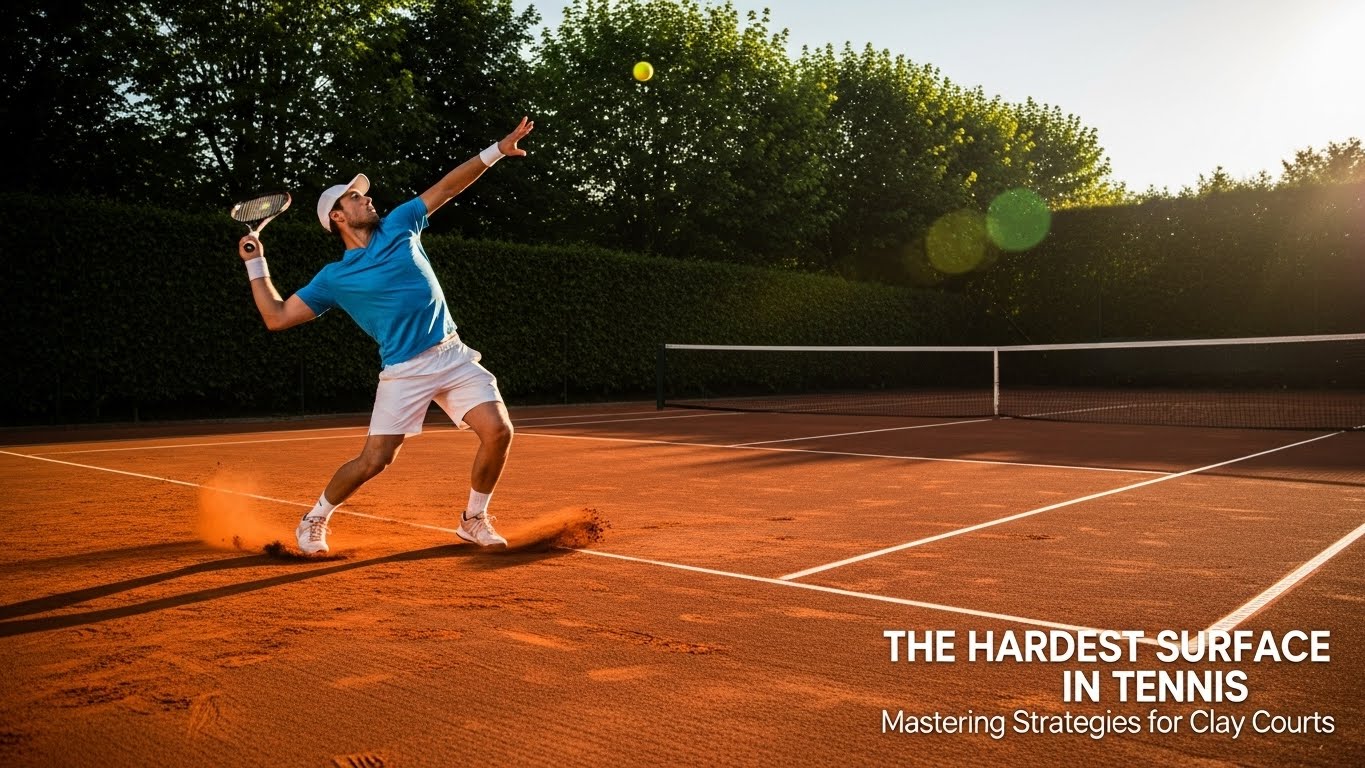
Sliding Opportunities: The loose surface allows players to slide when moving for shots, a technique essential for effective movement and positioning.
- Weather Dependency: Clay courts can be affected by weather; rain can make them muddy while hot weather can dry them out, altering how the surface plays.
Playing Styles Suited for Clay
Several playing styles maximize success on clay courts:
-
Baseline Play: Clay courts favor players who excel at baseline rallies. Being patient and willing to engage in long rallies pays off.
-
Topspin Emphasis: Players should utilize topspin when hitting groundstrokes to create high bounces that are difficult for opponents to attack.
-
Defensive Tactics: Defensive players can thrive on clay, as extended rallies allow them to dictate play and wait for openings.
- Strategic Aggressiveness: Although clay promotes long rallies, skilled players often find opportunities to attack with aggressive shots.
Techniques for Success on Clay Courts
To effectively master the intricacies of clay courts, players should focus on the following techniques:
1. Improve Footwork
Footwork is critical. Being able to slide into shots allows players to maintain balance and control. Practice lateral movement and agility drills to enhance speed on the clay.
2. Master the Topspin Shot
Develop a strong topspin forehand and backhand. This shot not only aids in keeping the ball in play but also helps in pushing opponents back, setting up opportunities for a winning shot.
3. Enhance Rally Endurance
Conditioning plays a vital role in success on clay. Emphasizing cardiovascular fitness will help players maintain the energy necessary for longer rallies.
4. Develop Drop Shot Skills
A well-timed drop shot can catch opponents off guard, especially if they’re positioned far behind the baseline. Practice executing drop shots with precision.
Tactical Strategies for Clay Courts
Utilizing smart tactics can significantly enhance performance on clay courts:
-
Patience is Key: Maintaining composure during long rallies is essential. Wait for the right moment to strike rather than forcing an error.
-
Varying Pace and Spin: Mix up shots to keep opponents guessing. Use slices and flat shots to disrupt their rhythm.
-
Play the Angles: Clay allows for sharper angles. Use them to pull opponents off the court and create open spaces for winners.
- Utilize the Lob: A lob can effectively change the pace and disrupt aggressive baseline play, providing a strategic way to gain control of the point.
Training for Clay Court Success
Proper training tailored to clay court dynamics is essential for improvement:
1. Drill Repetition
Fundamental drills focusing on topspin, defensive lobs, and sliding can significantly enhance skill. Spend time on repetitive practices to build muscle memory.
2. Match Play Simulation
Incorporate practice matches emphasizing clay court rules and strategies. Playing against opponents of various styles can help adapt to changing conditions.
3. Condition for Longevity
Balance strength, agility, and stamina training. Include interval training to simulate the physical demands of clay court matches.
4. Mental Preparation
The lengthy nature of clay court matches demands mental toughness. Engage in visualization techniques and mindfulness to bolster focus and resilience during play.
Adapting to Conditions on Clay Courts
Being flexible and adaptable is crucial on clay courts. Factors to consider include:
-
Court Condition Variability: Assess the court’s condition pre-match. A recently wet court will behave differently than a dry one, affecting ball speed and bounce.
-
Weather Changes: Wind and temperature can shift during play. Players must be prepared to adjust their play style accordingly.
- Short-Lived Opportunities: Be cautious of momentary openings—especially against more aggressive opponents. Quick decision-making is vital.
Mental Aspects of Playing on Clay
The mental game on clay courts involves:
-
Endurance Mentality: Instill a mindset focused on physical and mental endurance to outlast opponents.
-
Tactical Flexibility: Adjusting strategies mid-match based on what works against your opponent is crucial.
- Positive Reinforcement: Stay positive, even after losing points. Use self-talk to reinforce confidence.
Conclusion on Clay Court Mastery
Mastering clay courts in tennis requires a multifaceted approach involving technical skills, tactical awareness, strategic planning, and mental resilience. The unique characteristics of the surface challenge players but also offer opportunities for those willing to adapt and refine their game. By focusing on these aspects, players can elevate their performance and enjoy the rich experience of competing on clay.